On this still late summer’s evening, I am sitting with my wife and daughter in a beer garden in Tasmania. Close by, an ancient magnolia tree is surprisingly blossoming. But it’s been a topsy-turvy summer. Christmas was chilly and I suspect nature is doing what it can to try to cope, and it’s only in the last few weeks that we’ve had a run of hot days.
Living in the Australian bush can be fraught, especially in summer with the risk of bushfires ever present. Relying on rainfall for our household and vegetable garden, we’re always keen for more rain. January was dry and a decent downpour would be welcome. A tiger snake has taken up residence in the rockery close to our front door, to my wife’s consternation. I have mixed feelings about it but so far we’ve all been getting just fine. The last of the fledglings that evaded the rapacious currawongs and kookaburras have taken flight and autumn will soon announce its arrival.
The waitress takes us through the specials. Is she Scottish? Surely not Irish, or is she? It turns out she is indeed Irish, from Wexford. “And yourself?” she pars politely, on hearing my faded brogue.
“From Westmeath, originally,” I say simply, as if that’s all I need to say by way of explanation.
READ MORE


“You sound like you’ve been gone a while,” she says, which may or may not be a question.
[ Irishman in Tasmania: Some friendships age well, while others, not so muchOpens in new window ]
“Well, before you were born,” I say with quiet confidence. “And I see there’s serious flooding in Wexford right now,” I continue, perhaps to make up for this blunt summation of my migrant status. Or to let her know that what’s happening in the country of my formative years hasn’t escaped my attention. Or perhaps I’ve never shed my lifelong obsession with the weather. When I was growing up, our old man was always complaining about bad weather, and it sounds as if Ireland’s climate has grown even more problematic for farmers in the intervening decades.
“There’s loads of flooding,” she says, “even in my hometown. But I think we’ll be grand here, so I do.” She laughs lightly.
“I think you’d be right there,” I say, and with that she heads off with our drinks order.
This young woman, with her cheery disposition, is about the same age as our daughter, who in her early 20s and is visiting from Melbourne. When she left to start university a few years back, I missed her so much. I can’t imagine how our poor mother must have felt when so many of my siblings and I headed off, one by one, in the 1980s and 1990s. What the old man made of us going I remain none the wiser.
This young Wexford girl is, by all accounts, having the best time of her life. Even though she is working in hospitality, which is notoriously poorly paid and demanding, she still has some money left over after she has paid her rent, and she isn’t missing Ireland at all. Nor is she missing the exorbitant rents that she says are commonplace in Ireland. Two years gone now from Ireland and in no hurry to return. And who am I to judge her?
Although I’m curious, I hold off from quizzing her about her future plans. More punters are arriving in dribs and drabs, and she may well have her work cut out. Although my pearls of wisdom are limited and I’m wary of mansplaining, I could’ve told her that Tasmania has always been regarded as the poor cousin of Australia, at least in terms of its economic prosperity. Mainland Australia, or the north island as it’s often jokingly referred to here, is a favoured destination for many young people seeking a career. I could’ve told her so much more. But she’s on her journey, just like I was once, and it’s probably best that she finds her own way, as I’m sure she will.
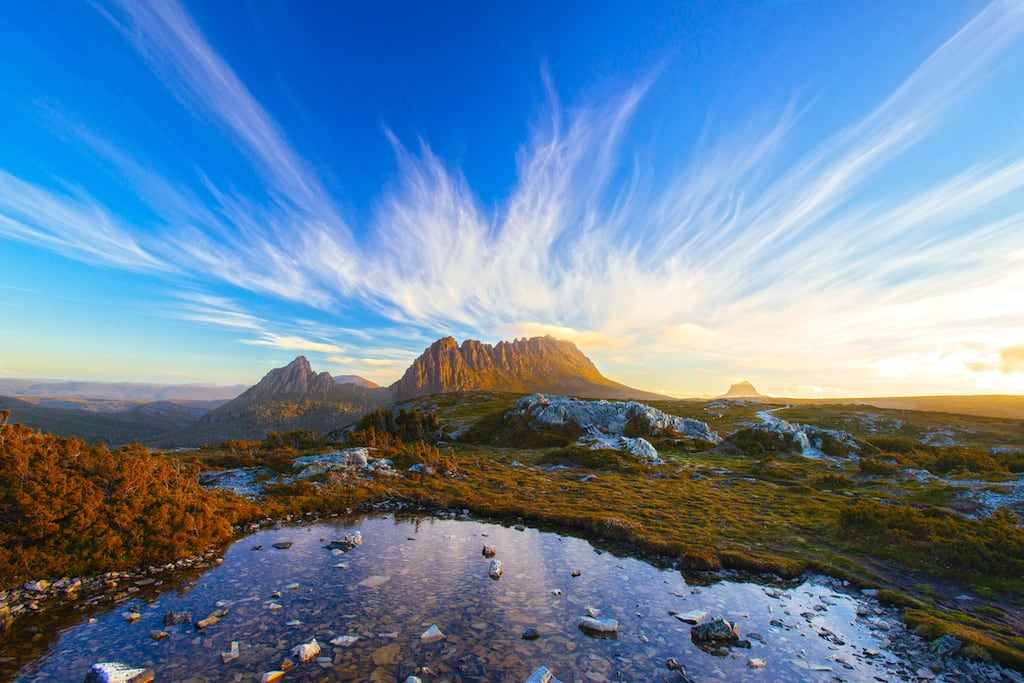
Tasmania, with a modest population of 500,000, has an astonishing beautiful landscape, deserted beaches, mountainous terrain and exceptional walking trails. At this time of year there is plenty of casual work for farm labourers to pick stone fruit. The Wexford girl picked cherries for three months last year to meet her visa requirements. But, for now, waiting tables is her preferred option.
Having just chalked up another year, I’m now well into my middle age; my hair is long gone, and my eyesight and hearing are declining. I wouldn’t say I’m forgetful, but my wife may beg to differ. Conversations with friends are invariably punctuated with remarks about our aches and pains and cholesterol levels, and the merits or otherwise of our hearing aids and orthotics.
I’m a long, long way now from the 21-year-old who arrived like a stunned mullet at Melbourne airport, one June morning, back in 1983. Like the magnolia it took me a while to get going. And sometimes I wonder if I ever really got going at all. At this stage in my life, the thought of flying back halfway around the globe in search for something that I know can no longer exist, holds little or no attraction for me.
And yet, as I brace for my twilight years, I still think I’m only beginning to understand myself. What’s undeniable is the rupture in one’s life when one emigrates. There will now always be the before and the after. It’s almost akin to passing through the looking glass and having to reimagine oneself.
Australia and Ireland are entirely different places in so many ways. But that’s a tale for another day. Anyway, I’ve long since given up that futile comparison game. Best to live our lives in the here and now. Far better to sit back and exhale and sip our drinks, and to enjoy the magnificent magnolia blossoms even this late in the season, and to try not to fret too much about the dearth of rain clouds in our proximity.
We can only hope that good things will come our way. I can’t say for certain, but I suspect the girl from Wexford may share a similar sentiment.
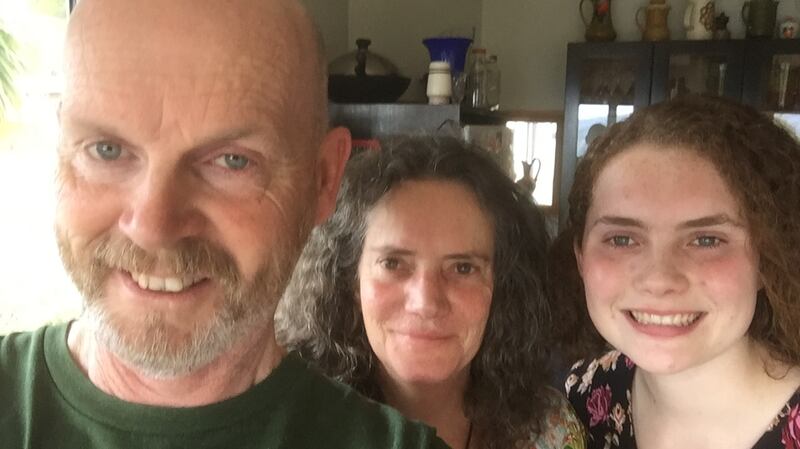
Philip Lynch is originally from near Castlepollard in Co Westmeath and emigrated to Melbourne in 1983. He moved to Cygnet, Tasmania in 2011 where he lives on a bush block with his Australian wife, Jane. He has a grown-up daughter named Molly
- Are you Irish and living in another country? Would you like to share your experience in writing or by interview? You can use the form below, or email abroad@irishtimes.com. Irish Times Abroad submission guidelines here.
- Follow us on Instagram to keep up with the latest
- Sign up to The Irish Times Abroad newsletter for Irish-connected people around the world.