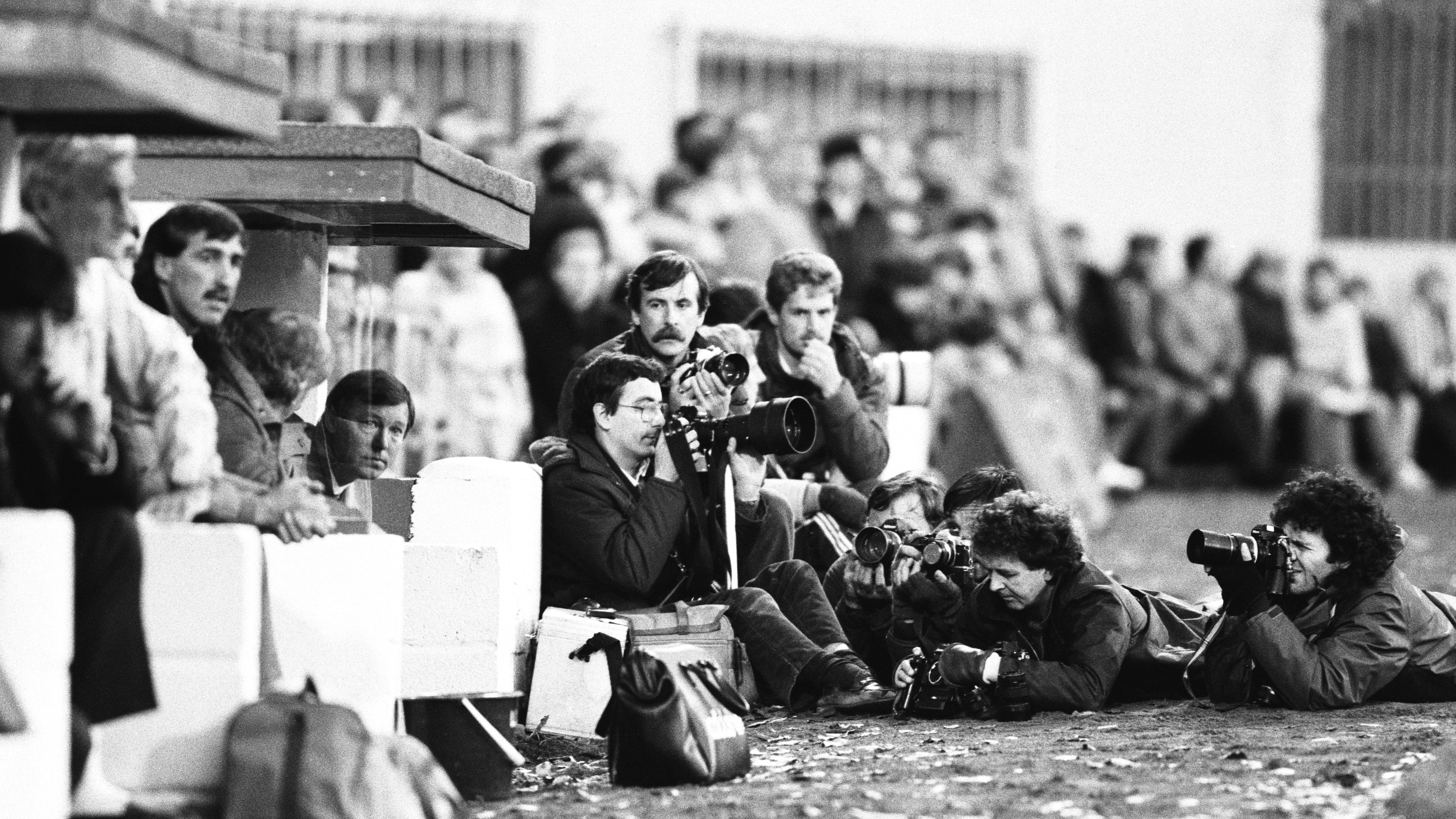
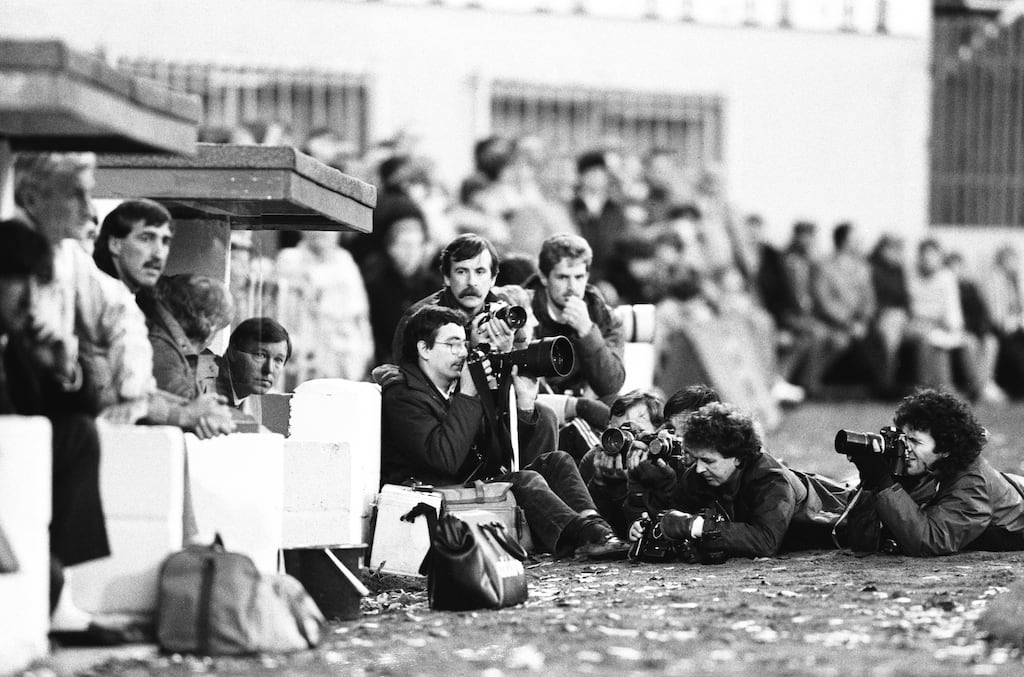
History, anniversaries and Manchester United: sometimes if feels like they never stop. Sunday brings another, the 40th anniversary of Alex Ferguson’s first match in charge of the then beleaguered, relegation-threatened club. It was at Oxford United and Manchester United were beaten 2-0.
Ferguson’s first starting XI: Turner; Duxbury, Moran, Hogg, Albiston; Blackmore, McGrath, Moses, Barnes; Stapleton, Davenport.
John Aldridge, in the same year he made his Republic of Ireland debut, scored the first goal of the Ferguson United era. For Oxford.
United had some exceptional players – Bryan Robson, Paul McGrath, Norman Whiteside – but had lost 4-1 at Southampton in the League Cup four days earlier. The club was a rich mess. Manager Ron Atkinson had to go.
READ MORE

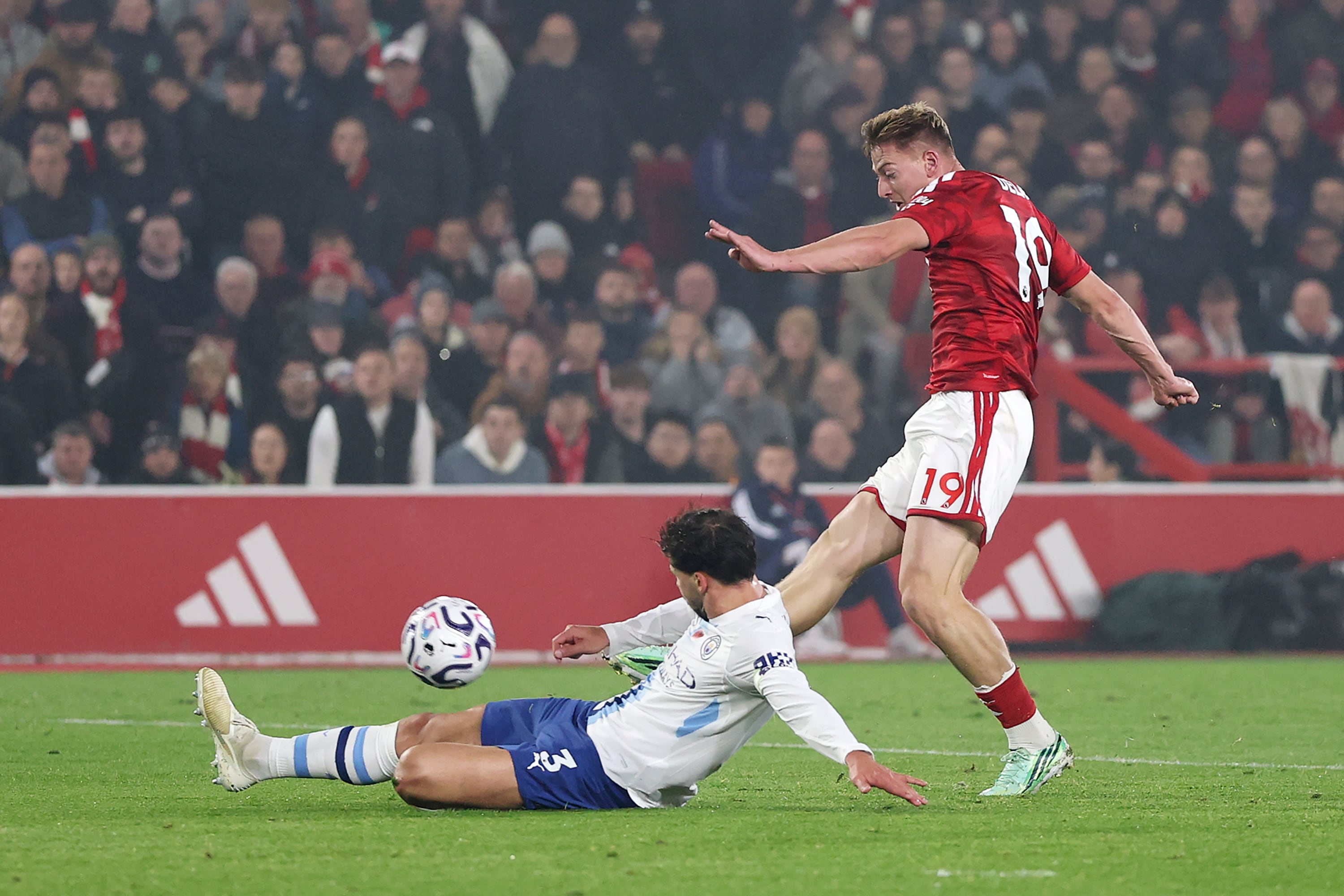


Ferguson arrived from Aberdeen and, in today’s football world of decreasing attention, span took an age to get United back to where it thought, and thinks, it belongs. The top.
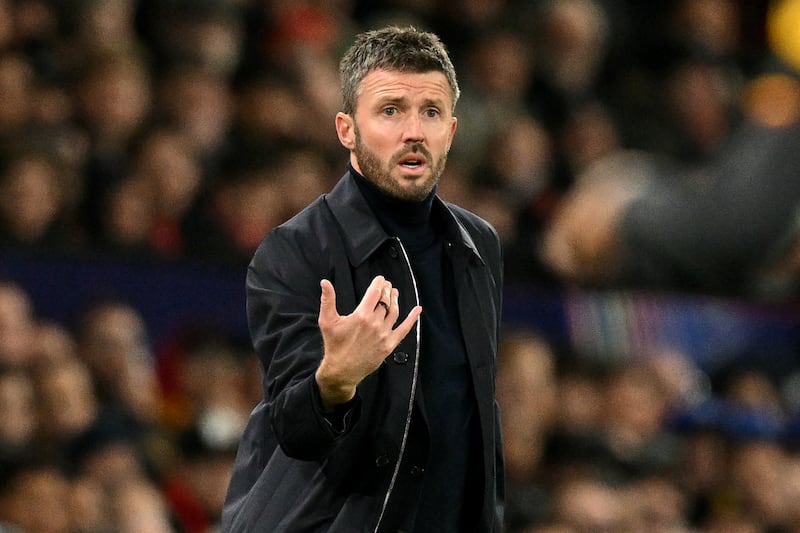
Forty years on, Michael Carrick dreams of being the next Ferguson. Which United figure wouldn’t? Instead he resembles Atkinson, vulnerable after a promising start and seemingly reliant on winning the next game to get to the next week. Had United won at Southampton in 1986, Ferguson may not have taken over the following weekend. But the direction of travel was established.
Lisandro Martinez said after the Champions League defeat in Madrid that the ease with which Atlético won 2-0 should act as a “mirror” for United concerning its overall state, not just the team.
Martinez (“the butcher”, apparently) received appreciation for his remarks. After all, the overall state of the club – debt-ridden, haphazard – is rooted in its ownership and the absentee landlords, the Trump-supporting Glazers.
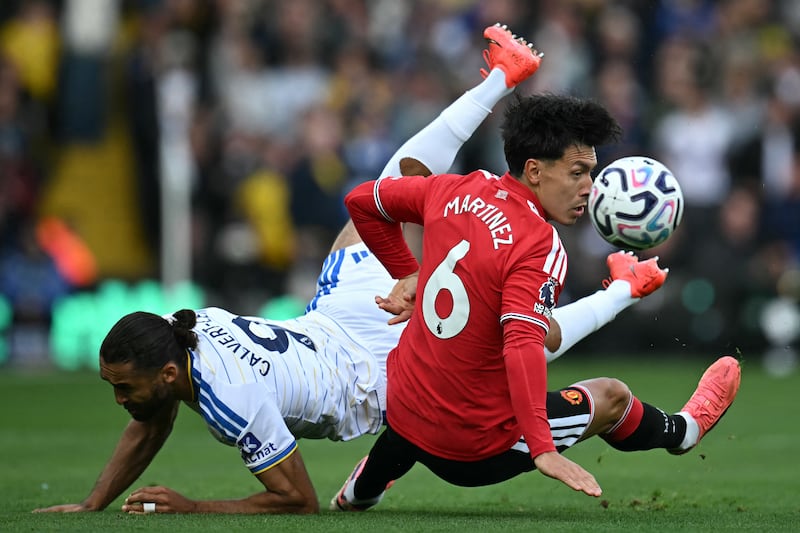
The direction of travel is established. Martinez was stating the obvious, it’s just it is not often said out loud within the building. He is not United’s first butcher. That was Louis Edwards, leading director and chairman from the mid-1960s to 1980, an actual meat-man whose son Martin became chief executive and appointed Ferguson. History is another mirror at United.
Many dislike this, feel it is self-indulgent and unproductive – although the Irish complaining about too much history is a bit like being told to calm down by Jordan Pickford.
Others such as Carrick revere United’s past, find inspiration in its reflection. If seeking comparisons four decades on from Ferguson’s arrival, Carrick had a rare chance to smile on Tuesday night as United staged a comeback of Fergusonian theatre against Roma. Two-nil down, 3-2 up, the stuff of lore. Carrick spoke about the stadium – “this place does incredible things, there’s magic here” – a level of emotion normally concealed by his self-restraint.
Carrick said he had mentioned Old Trafford’s power at half-time and, again, there will be some rolling their eyes. But the scepticism misses the point of a home stadium, its identity, muscle memory, the fact it is home. Old Trafford was opened in 1910. In 2026-27 United do not need a new stadium. They need the current one repaired and renewed. The hundreds of millions could be spent on the team.
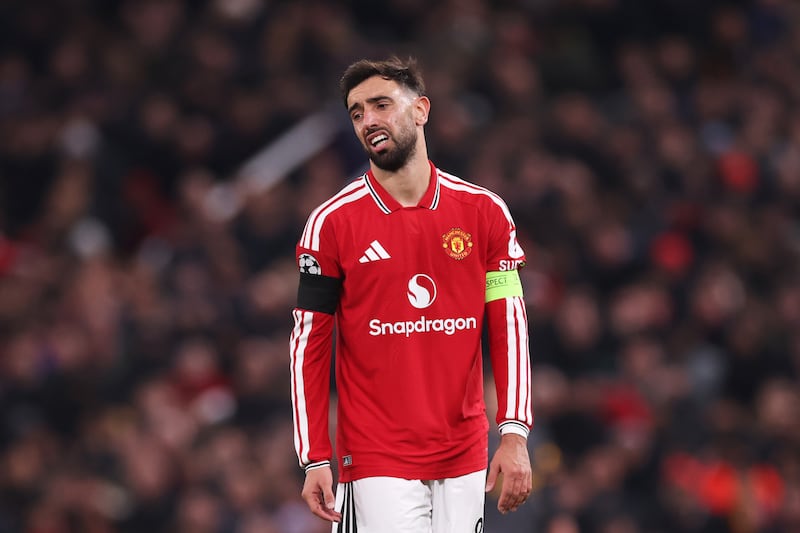
How it needs it. Few watching Tuesday’s comeback can truly think United’s second-half goals were the consequence of a team rewired to its past, into a coherent unit of old. Against a depleted Roma, just before half-time Bruno Fernandes loudly and angrily lamented the quality of the pass he had just received from €85 million Carlos Baleba; there was fortune involved in United’s first two goals.
Ferguson would often cite luck as a factor in matches, seasons. It never felt wholly convincing, whereas his analytical realism was always sharp. Of United’s loss at Oxford in November 1986, for example, Ferguson later wrote he was “depressed by the poor standard of fitness”.
It was one issue of several he encountered walking into the dressingroom. Squad alcohol consumption was high, a bad habit with a direct effect on match stamina. Ferguson addressed it as quickly as he could but those early years at Old Trafford were gruelling. Four decades on it’s gruelling again, there is still muttering about the lifestyles of certain players and, more obviously, about Carrick’s United side’s capacity to cover the ground.
Statistics about the squad’s running power – or lack of it – arose after the opening day loss at newly-promoted Hull City. To the naked eye United were conspicuously less intense than their hosts. The stats said the same – Hull ran further and faster. On what was always going to be a highly-motivated day for Hull, the least United had to do was equal their physical output. But urgency, an underused word in the coaching manual, was missing.
Hull was August’s alarm-bell. September’s came at Craven Cottage, where an 89th-minute Matheus Cunha equaliser brought a point. Again the post-match discussion centred on United’s passivity. “They put in more energy than us,” Cunha said. “I’ve never seen a Man United team walk out of possession as much as that,” said Gary Neville.
October’s came in Madrid, then Como, where Fernandes said: “Everyone at the club has to understand that it’s not the same any more, we’re not in the past. We have to look to the future.” The Portuguese for disillusioned is desiludido.
And so to November. In the Premier League United have not won since the game after Hull – Ipswich at home. Four draws and four defeats have followed. Hence United have seven points and are one place above the relegation zone on goal difference. They are 17 points behind Arsenal. There is a scenario whereby they are bottom of the table at kick-off against Aston Villa on Sunday. United’s last home league game was the 3-0 defeat by Bournemouth. A contrast between Carrick and Unai Emery will be made and is likely to favour the latter. Bullet points.
[ Ken Early on why Ruben Amorim and Manchester United were a disastrous matchOpens in new window ]
There is another comparison – between the Carrick team of today and the one he took over in January. Carrick inherited the failed Ruben Amorim experiment and applied calm, rational tactics. United began to make sense again, shaped and led by Carrick to a third-place finish. They were six points above Villa.
But Martinez’s complaint about a lack of suitable investment in the summer was correct. His target was the “technical director”, but Jason Wilcox might refer Martinez to the Glazers.
So Carrick oversees a lopsided squad whose visible fitness may depress Ferguson. And now this team with a notable lack of urgency is in an urgent situation.
“It depends what happens next.” Carrick said it twice on Tuesday night.
Hope and mirrors. Lose to Villa and the next contender may be called on Ferguson’s 40th anniversary; win and it’s another week. Actually, it’s another fortnight to United’s next game: Liverpool away.